
End-of-Year Roof Inspection Checklist for Florida Homeowners
December 2, 2025
•
Written By
ProRoofUSA
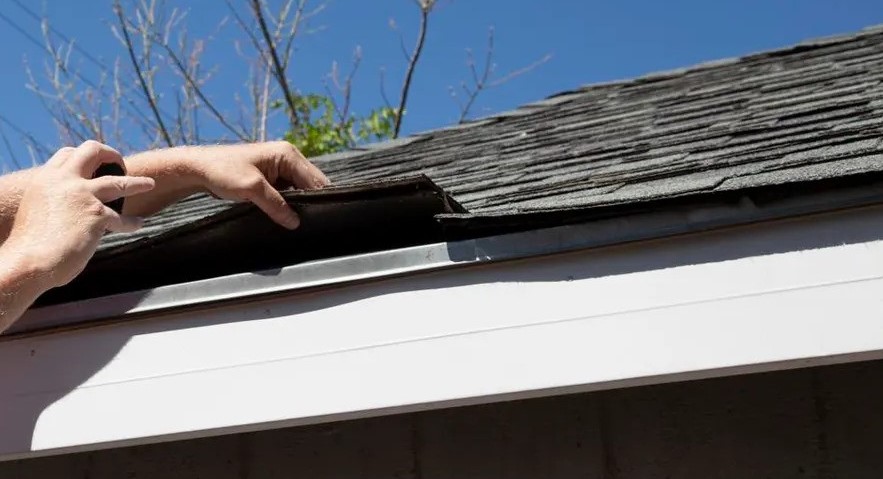
As the year winds down, many homeowners turn their attention to holiday prep, gift lists, and decking the halls—but your roof deserves a spot on that checklist, too. In Florida, where storms, high humidity, and intense sun take a constant toll, an end-of-year roof inspection isn’t just a good idea—it’s essential. Catching small issues before they grow can save thousands in repairs, preserve your home’s value, and keep your family safe through the next rainy season.
Key Takeaways:
- Florida’s climate accelerates wear on roofs, making inspections crucial.
- Simple visual checks can identify early warning signs.
- Preventive maintenance saves money and stress in the long run.
- Professional inspections catch hidden issues that DIY checks may miss.
Why Should Florida Homeowners Inspect Their Roof at Year’s End?
Checking your roof before the new year helps prevent costly surprises.
Florida’s weather is tough on roofs. Summer storms, hurricane threats, and relentless sun can accelerate wear and tear. A year-end inspection helps homeowners identify damage before it escalates. Catching issues like missing shingles, cracked flashing, or clogged gutters early allows you to schedule repairs on your own terms, rather than during an emergency.
Additionally, an inspection sets you up for smoother insurance claims if storm damage occurs. Insurers often require documentation of regular roof maintenance, and a thorough inspection provides that proof. Think of it as investing a little time now to save big headaches down the road.
What Are the First Signs of Roof Damage to Look For?
Simple visual cues can indicate bigger problems.
Even if you don’t climb onto your roof, there are several things you can check from the ground or an attic:
- Missing or cracked shingles: Look for patches where shingles are curled, cracked, or absent.
- Granule loss: Excess granules in gutters or at the base of downspouts suggest shingles are deteriorating.
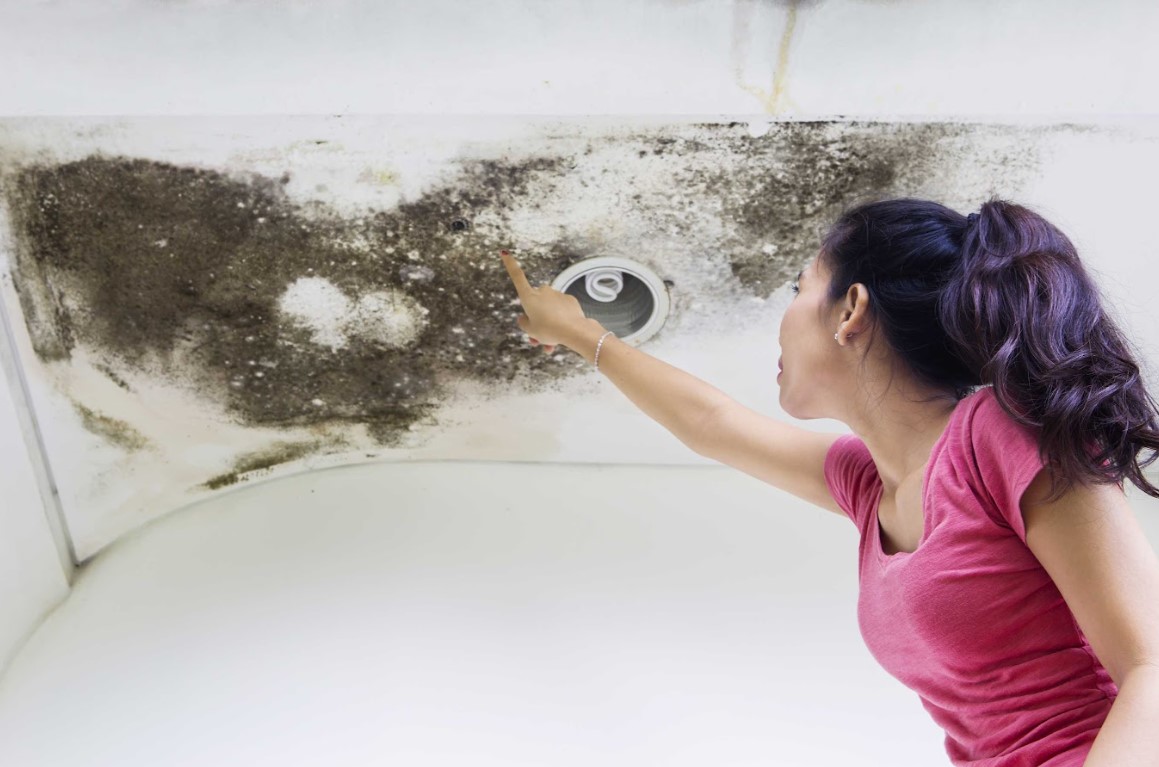
- Water stains: Ceiling or attic stains indicate leaks that need immediate attention.
- Sagging areas: Any dip or uneven section on your roof may signal structural stress.
- Moss or algae growth: While common in humid climates, these can trap moisture and erode roofing materials.
Noticing even one of these signs is a reason to call in a professional before it becomes an emergency.
How Can You Inspect Your Roof Safely?
Safety first: there are ways to evaluate your roof without risking injury.
Climbing onto a Florida roof can be risky, especially with steep pitches or slick tiles. Here’s a safer approach:
- Use binoculars from the ground: Scan shingles, flashing, and vents for visible issues.
- Check gutters and downspouts: Clogged gutters can hide damage and cause water backup.
- Inspect the attic: Look for daylight between the roof and attic sheathing, water stains, or mold.
- Hire a professional when needed: Roofers have the tools, experience, and insurance to safely detect problems before they escalate.
A combination of DIY checks and professional inspection is often the most effective strategy.
What Maintenance Tasks Should Florida Homeowners Complete Year-End?
Small maintenance efforts go a long way in extending roof life.
A few proactive steps can reduce stress on your roof and prevent minor issues from becoming major repairs:
- Clean gutters and downspouts: Remove leaves, pine needles, and debris that block water flow.
- Trim overhanging branches: Limbs rubbing on shingles can cause wear and allow pests to access your roof.
- Check flashing and seals: Ensure seals around chimneys, vents, and skylights are intact.
- Remove moss or algae: Use a mild roof cleaner and a soft-bristle brush, avoiding high-pressure washing that can damage shingles.
- Secure loose shingles or tiles: Even minor shifts can leave your roof vulnerable in storms.
These tasks not only prevent leaks and water damage but also help maintain your home’s curb appeal and resale value.
How Do Florida Storms Affect Roof Longevity?
Hurricanes and tropical storms accelerate roof wear.
Florida’s storms bring wind, rain, and debris that can compromise even the sturdiest roofs. Strong gusts can lift shingles, tear off flashing, or damage gutters. Heavy rains can seep through weakened areas, creating leaks that go unnoticed until serious damage occurs.
After any major storm, a roof inspection is critical. Professionals can detect hidden issues like loosened shingles, damaged underlayment, or weakened structural elements that could fail during the next storm. Waiting too long often results in more extensive—and expensive—repairs.
What Questions Should You Ask a Professional Roofer?
Getting the right guidance ensures a thorough inspection.
When hiring a professional, it’s important to ask the right questions:
- Are you licensed and insured in Florida?
- Do you offer a written inspection report?
- What types of roof damage are most common in my area?
- Can you provide preventive maintenance recommendations?
- Do you offer warranties for repairs or inspections?
A qualified roofer will not only identify issues but also provide actionable solutions to extend your roof’s lifespan.
Essential Year-End Roof Inspection Checklist for Florida Homes
A quick reference to keep your roof in top condition:
- Inspect shingles for cracks, curling, or loss.
- Check for missing or damaged tiles if applicable.
- Look for signs of water damage inside the attic.
- Examine flashing around chimneys, vents, and skylights.
- Clean gutters and downspouts of debris.
- Trim overhanging branches.
- Remove moss, algae, or mildew.
- Ensure attic ventilation is adequate.
- Verify seals and caulking are intact.
- Schedule professional inspection if any issues are present.
Keeping this checklist handy each December can save money, stress, and emergency repairs in the new year.
Smart Homeowners’ Roofing FAQs (That Actually Help)
What if I don’t see visible damage—do I still need an inspection?
Yes. Many problems, like underlayment deterioration or structural stress, aren’t visible from the ground. A professional inspection can catch issues before they escalate.
Can I inspect my roof myself safely?
You can do preliminary checks from the ground, using binoculars or the attic, but walking on a roof can be dangerous. For safety and thoroughness, hire a professional for detailed inspections.
How often should I schedule professional roof inspections in Florida?
Ideally, twice a year—once before hurricane season and once at the end of the year. High winds, storms, and humidity make regular inspections crucial.
How do I know if storm damage is covered by insurance?
Insurance coverage varies. Most policies cover sudden damage from storms, but not wear and tear. Keep inspection records to support any claims.
What is the average cost of preventive maintenance?
Routine inspections and maintenance typically cost a fraction of emergency repairs. In Florida, expect an inspection and minor maintenance to range between $150–$500, depending on roof size and complexity.
Taking Action: Keep Your Roof Strong Into the New Year
An end-of-year roof inspection may not be the most glamorous task on your December to-do list, but it’s one of the most valuable. Florida homeowners who prioritize inspections reduce stress, avoid costly repairs, and ensure their roofs can withstand the next hurricane season or unexpected storm.
If you want peace of mind and expert guidance, ProRoof USA in Loxahatchee, FL, is ready to help. Our licensed and insured team offers thorough inspections, preventive maintenance, and professional repairs tailored to Florida homes. Don’t wait until a leak or storm damage disrupts your life—schedule your inspection today and enter the new year with a strong, secure roof overhead.
Contact ProRoof USA in Loxahatchee, FL, and protect your home before the next storm hits.
Recent Articles
Residential Roofing
Top 10 Roofing Mistakes Florida Homeowners Make (and How to Avoid Them)
March 13, 2026
Residential Window
How Window Replacements Boost Energy Efficiency in Humid Florida Weather
March 9, 2026

Residential Roofing
Spring Storm Season Is Coming: How to Get Your Roof Storm-Ready
March 6, 2026
Residential Roofing
Metal Roof Myths Busted: Why They’re Perfect for Florida Homes
March 2, 2026